
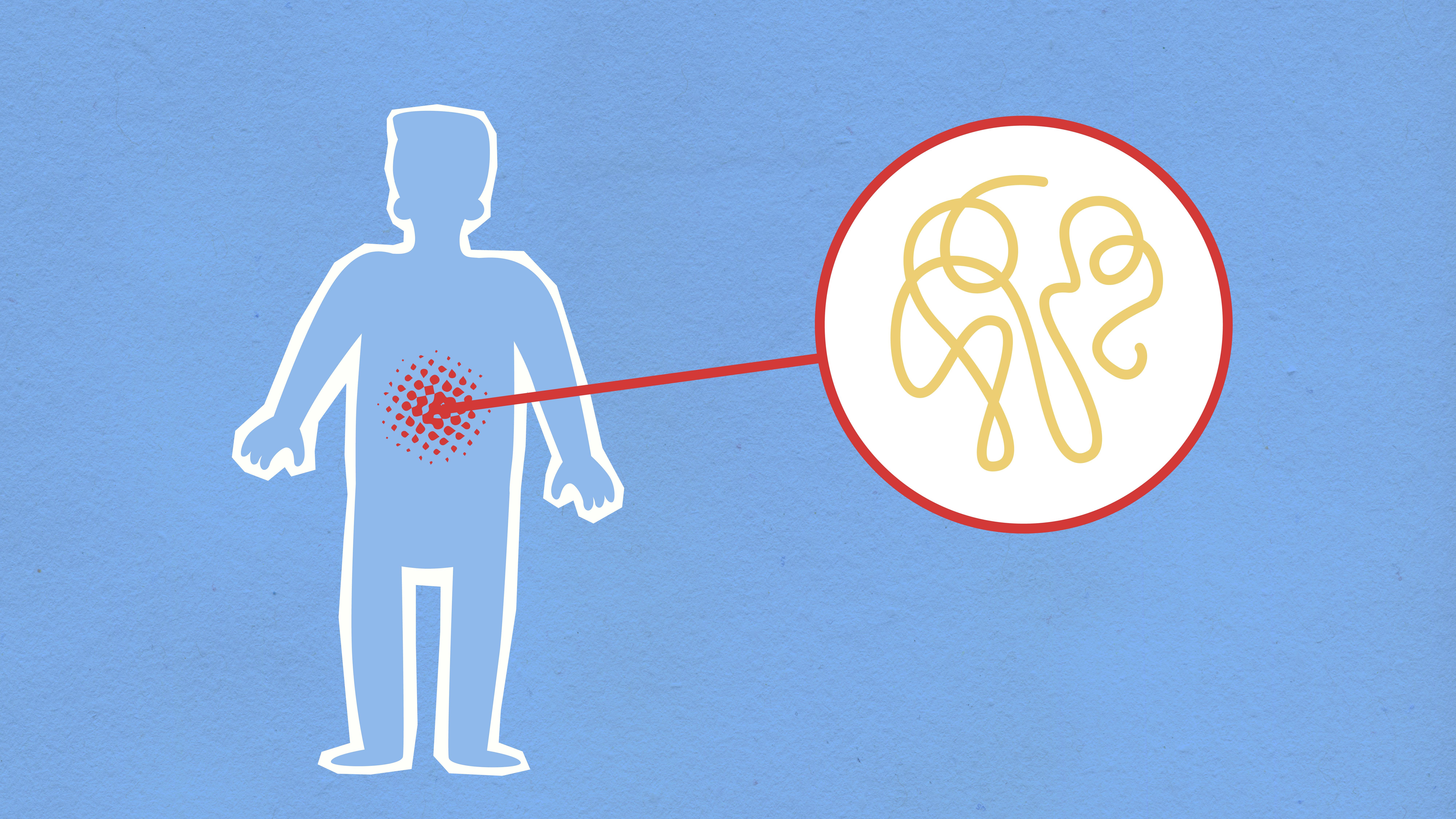
Kidney disease, liver disease and several cancers are frequently diagnosed at a stage where considerable damage has already occurred. The explanation lies in how much spare capacity organs carry.
Organs are built with reserve
Most organs can meet ordinary demand using a fraction of their tissue, with the remainder available for illness, injury and exertion.
A person can donate a kidney and retain normal function, and the liver can lose a large proportion of its mass and continue to work.
That margin is protective, and it is also why loss of function produces no symptoms until the margin itself is used up. The early phase of the disease is spent consuming reserve rather than causing shortfall.
Function is measured against demand, not against original capacity
Clinical tests compare performance to what the body currently requires, so a system running at reduced capacity but meeting demand looks normal.
The shortfall becomes visible first under load — during infection, dehydration or after surgery — which is when reserve is called upon.
This is why a chronic condition is sometimes discovered during an unrelated acute illness rather than through gradual symptoms, and why the acute event can look like the cause when it was only the trigger that exposed it.
Compensation actively hides the loss
Remaining tissue takes on additional work, and surviving units enlarge or increase their output to hold the total steady.
In the kidney, remaining filtering units raise their individual filtration rate, which maintains the overall figure while accelerating their own wear.
Compensation therefore both conceals the problem and contributes to its progression, which is a recurring pattern across organ systems.
Slow change resets what feels normal
Decline over years is compared against last month rather than against a decade ago, so the reference point moves with the condition.
People adjust their activity to match capacity without registering the adjustment, taking fewer stairs or walking more slowly.
By the time a symptom is reported, the reported onset is often the point at which adaptation failed rather than the point at which decline began.
Why blood tests find things before symptoms do
Laboratory markers track the internal state rather than the felt state, and several shift while compensation is still holding.
This is the basis of routine monitoring in people with risk factors, where the aim is to detect change during the silent phase.
What any individual result means depends on the person's history and other findings, which is why interpretation belongs with a clinician rather than with a reference range read alone.